

紫花地丁(Viola philippica Cav.)为堇菜科(Violaceae)堇菜属(Viola)多年生草本植物[1-2]。该物种常分布于路边、林缘、灌木丛、荒地和田埂等潮湿之地,亦常见于水沟边缘[3]。其植株形态矮小,株高在4~14 cm,花淡紫色,花喉部颜色较淡并带有紫色条纹[4],花瓣5枚,花期集中在3—5月。紫花地丁喜温暖湿润气候条件,具有耐阴、耐寒和耐旱等特性,对土壤类型适应性较广。此外,该物种还表现出较强的耐践踏性、耐水涝和恢复再生能力[5]。因其具有较强的适应性,可种植在田野、荒地、山坡草丛、林缘或灌丛中,作为观赏性优良且具开发潜力的观花地被植物,在园林景观中的应用场景逐渐增多。
目前,有关紫花地丁的研究主要集中在作为中医药的药用开发和评价,例如化学成分鉴定以及消炎抑菌、清热解毒药物的开发与利用等,而其作为园林地被植物的应用研究尚待进一步深入[6]。孙慧芳[7]研究发现,在二态繁育系统下,紫花地丁花形态变化会影响结实及种子质量;刘玉艳等[8]研究了盐胁迫对紫花地丁植株生长及生理特性的影响。近年来,相关园林工作者进行了野生紫花地丁优良品种的引种与驯化,目的是筛选出优良品种,应用于医药和园林景观等领域。本文探讨了紫花地丁的繁殖技术与栽培管理方法,同时分析了其在地被植被应用、花坛景观布置以及岩石园生态造景中的独特价值与应用策略,旨在为园林从业者提供栽培与园林景观应用等的参考,促进其在园林景观设计中的广泛应用与创新。
1 紫花地丁的繁育技术
1.1 紫花地丁的繁殖技术
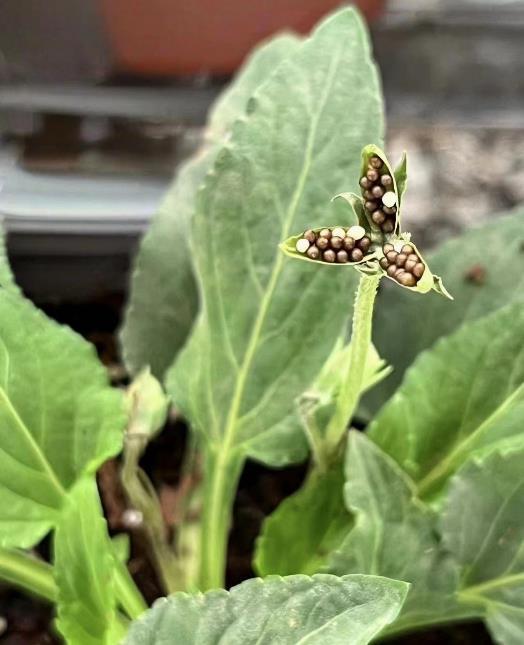
1.1.1 播种繁殖
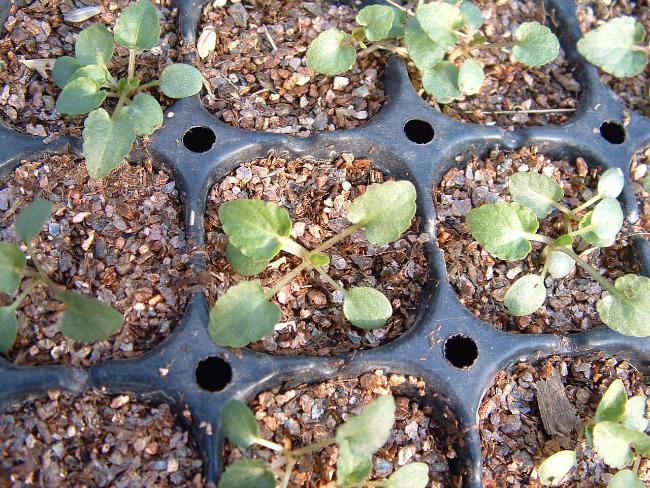
(1)温室育苗。温室育苗一年四季均可进行。播种基质通常采用草炭土与珍珠岩按3∶1体积比配制,混合充分浇水,以确保基质含水量在80%左右。在基质配制过程中,可喷洒杀菌剂和杀虫剂,以有效预防潜在的病虫害。在穴盘的选择上,通常选用105穴或128穴规格的穴盘。将配制好的基质装入穴盘,轻轻压实,并浇透水,待水渗出后进行播种,每穴1粒种子,并用蛭石或细土覆盖,覆盖厚度以种子完全被遮盖为宜。播种完成后,将穴盘平放于育苗床上,并覆盖塑料薄膜保湿,以促进种子的萌发(图2)。出苗过程中注意穴盘补水。
(2)露地撒播。赵金鹏等[10]研究指出,紫花地丁露地春播时间在3月上中旬,秋播时间在8月上旬。播种前需先整地,深翻土壤,耙平后充分灌水。待水分渗透后,将种子与细沙拌和均匀,撒播于土表,并用细土覆盖,覆土厚度以不见种子为宜。播种后通常7 d即可出苗。
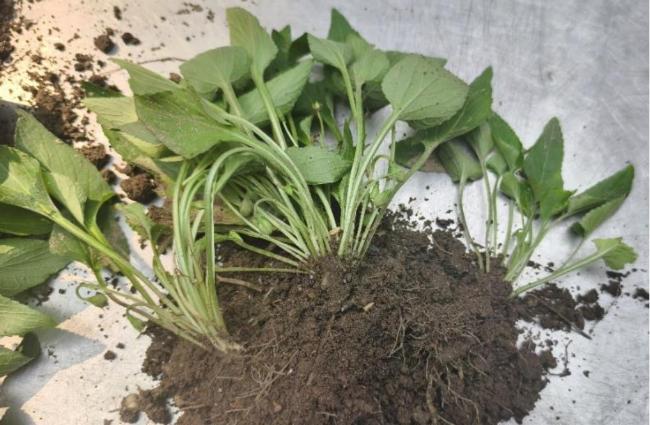
1.1.2 分株繁殖
1.2 紫花地丁的栽培管理
1.2.1 基质选择
紫花地丁对土壤类型的适应范围较广,在微酸性且透气和排水良好的土壤中生长良好。移栽基质可按照园田土、腐叶土和河砂按2∶2∶1的体积比进行配制。
1.2.2 移栽
移栽时需确保根部带有适量土壤,有助于缓苗,从而提高植株移栽成活率。移植后实施遮阴管理,直至植株完全适应新环境,进入常规管理阶段。
1.2.3 水肥管理
紫花地丁喜湿润的环境,浇水应遵循见干见湿的原则,确保每次浇水均能充分湿润。许小静[11]研究提出,为增强紫花地丁的观赏效果,在其旺盛生长期,建议7 ~ 10 d追施一次有机肥。在肥水管理过程中,需注意适量施肥和浇水,避免给植株生长带来不利影响。
1.2.4 病虫害防治
紫花地丁常见的病害主要有叶斑病,发病初期叶片出现褐色或黑色斑点,若防治不及时,病斑迅速扩大,使叶片枯黄脱落。杨春美[12]研究提出,在叶斑病发病初期可使用百菌清 800倍稀释液喷雾防治。常见的虫害主要有红蜘蛛,一般施用石硫合剂进行防治。在日常养护过程中,注意观察植株状况,及时发现并处理出现的病害虫。
2 紫花地丁在园林景观中的应用
2.1 在园林景观中的应用优劣势
紫花地丁的栽培及应用尚存在一些不足。随着人类活动的加剧,该植物野生资源遭到不同程度的破坏和减少,其野生资源的保护面临一定的挑战。此外,紫花地丁品种多样性单一,一定程度限制了其在园林景观中的应用潜力。在紫花地丁的规模化栽培和园林应用实践中,存在栽培技术标准化不高、养护管理不到位等问题,栽培管理技术还有待进一步优化。
2.2 紫花地丁在园林中的应用形式
2.2.1 作为地被植物
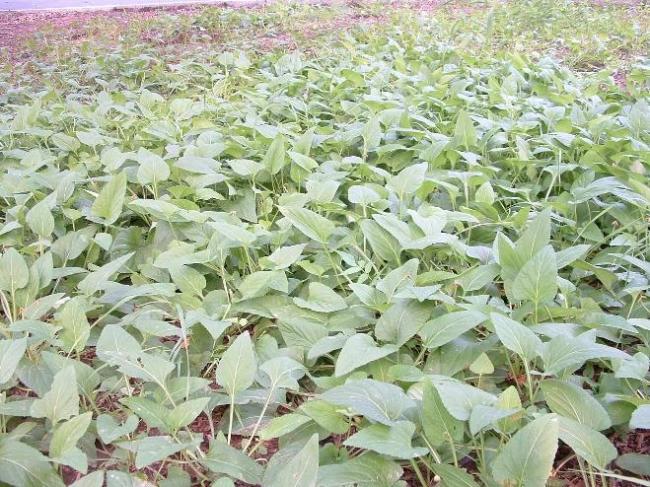
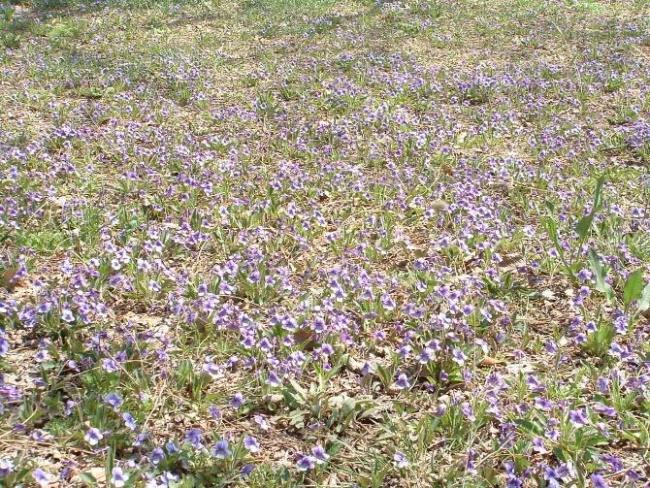
公园内林缘、路缘等区域,通常属于荫蔽地带或贫瘠地块,多数花卉生长不良,影响观赏效果。紫花地丁作为良好的耐阴地被景观植物,能够与周边的乔木、灌木形成自然过渡,营造出优美的林下地被景观(图6)。



2.2.2 作为花坛和花境的点缀植物
阿孜古丽·胡加买提等[14]研究提出,紫花地丁花期早而集中,植株低矮,株丛紧凑,便于更换和移栽布置,适用于早春花坛构图布置。在花坛中,通常成片种植,与一串红、牡丹和万寿菊等搭配,形成斑斓的色块,营造出热烈、欢快的氛围。在花境中,紫花地丁可作为前景植物,与中景和背景植物如月季、红王子锦带和黄刺玫等相互映衬,展现出丰富的层次和色彩变化。
2.2.3 作为岩石园造景的配置植物
该物种具有耐瘠薄、耐旱的特性,使其成为岩石园造景的理想植物选择[13]。其与仙人掌科植物及山石搭配,可以营造出沙漠地带、自然山地的景观效果。
3 结语
本文阐述了紫花地丁的繁殖技术与栽培管理方法,并探讨了其在园林景观中的应用。该物种可通过种子和分株方式进行繁殖。栽培管理过程中,选择微酸性且透气和排水良好的土壤,移栽时需根部带土移栽,实施恰当的水肥管理,同时注意病虫害防治。紫花地丁作为一种具有生态适应性和观赏价值的植物,在花坛、花境、地被植物和岩石园等领域具有广阔的应用前景。在实际应用过程中,需充分考虑其生态习性和观赏特点,与其他植物进行合理搭配。同时,加强野生资源保护和品种选育工作,提升栽培管理技术水平。通过进一步的品种选育和栽培技术创新,紫花地丁有望在城市绿化、生态修复等领域发挥更大的作用。结合现代园林设计理念,紫花地丁将与其他植物材料实现更加巧妙的组合搭配,从而充分发挥其在园林景观营造中的潜力,营造更加优美、舒适的园林环境。