

作为城市绿地系统的重要组成部分,公园对于提升城市生态环境、促进市民身心健康、塑造城市特色风貌等具有重要作用。当前,部分城市综合公园面临设施老化、服务功能单一等问题,亟须进行改造与更新。城市公园的更新不仅能够提升公园的服务功能和品质,满足市民多元化和个性化需求,还能适应城市发展和规划调整,保护和传承城市文化,增强市民的文化认同感和归属感。辛海明等[1]阐述了城市更新的价值及意义,提出了满足城市更新整体规划、实现城市系统优化等设计策略。郑海燕等[2]分析了山东淄博市周村区天香公园的改造理念、思路等,为公园景观效果提升提供了案例参考。本文结合规划设计实践,对江苏苏州公园进行更新改造设计在开放边界、场景植入、全龄友好、植物配置等方面提出了改造策略,为老旧公园更新改造提供参考。
1 苏州公园场地基本情况
苏州公园具有丰富的历史文化底蕴。该地属于典型的北亚热带湿润季风气候,四季分明,气候温和,雨量充沛。园内设有图书馆、茶室等设施,主要景点包括荷花池、九曲桥,是市民休闲和健身的重要场所。然而,由于建设年代久远,存在设施陈旧、功能单一等问题,难以满足市民的多元化需求。因此,对该公园进行更新改造,既要尊重现状、尊重历史本体,又要满足市民生活需求,坚持将开放共享、全龄友好、以人为本和文化传承作为该公园改造更新的核心理念,对于提升公园的吸引力和功能性具有重要意义。
2 公园景观改造策略
2.1 开放边界
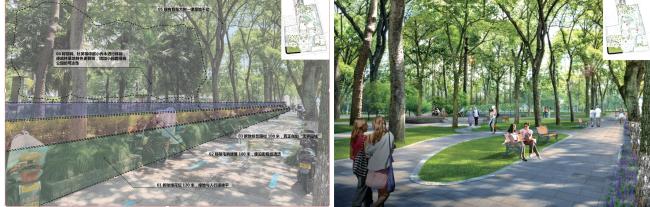
公园绿地是城市居民游憩活动的重要空间载体之一,公园建设体现了城市的生态文明水平[3]。在现有的良好基底条件下,拓展公园绿地开放共享空间,有助于促进城市与公园融合、人与自然和谐共生,满足当前环境下人民群众亲近自然、休闲游憩、运动健身的需求[4]。老旧公园更新改造的首要任务是打破封闭状态、实现开放共享,积极推进“公园融城”和“乐享园林”的活力空间建设,通过试点开放共享城市公园绿地,使公园成为居民文化交流和社交娱乐的场所。通过拆除围墙、增加入口等方式,使公园与周边社区有机融合。目前,公园边界采用垂直绿墙与铁艺栏杆围合,浓密的植被墙影响了公园的开阔性和市民的游园热情[5]。在开放公园绿地空间的过程中,通过科学规划并拆除部分围墙、引入周边街道的景观元素等方式,使公园的景观风格与周边社区环境相协调,进而实现公园与周边社区的无缝衔接(图1)。同时,新增多个入口和通道,方便市民从不同方向进入公园,进一步增强公园的可达性和便利性。这种开放共享的设计理念,提升了公园的服务功能,促进了城市空间的合理利用和资源共享。此外,开放共享为公园带来了较高的社会效益。一方面,其促进了市民与自然的亲密接触,提升了市民的生活质量和幸福感。另一方面,其带动了周边商业的发展,为城市经济注入了新的活力。
2.2 场景植入
以苏州地方文化、传统生活方式、特色产品服务为基础内涵,融合古典与现代、传统与时尚,注重人的内在感受与体验,追求精致与自然相统一的生活状态。借鉴相关理论,围绕苏式生活体验提取苏州城市旅游意象内涵[6]。公园是感知苏式生活的重要载体,在公园绿色空间建设中,注重多元功能的融入,以追求卓越品质为目标,致力于推动公园空间营造向更高层次的公园场景营建转变。公园举办苏派盆景展示、园艺花卉展览、根雕展览、摄影展览等艺术休闲活动,布局多元休憩游赏场景,营造雅致悠闲的苏式生活模式,吸引周边社区居民、游客参与,增强公园开放的互动性和活力。在营造开放共享空间的过程中,着重营造提升个人审美情趣与文化素养的优质环境。通过举办池畔阅读活动,让市民享受阅读的乐趣;开展林下曲艺欣赏,使市民在绿树成荫的空间中感受传统艺术的魅力;设立康养平台,让市民在练习拳艺的过程中身心放松,不断提升其文化素养。通过营建苏式休闲生活场景,开放共享空间布局,使游客能够更加深入地感受苏式生活的魅力,实现公园从单一空间向多元文化体验场所的升级。
2.3 全龄友好
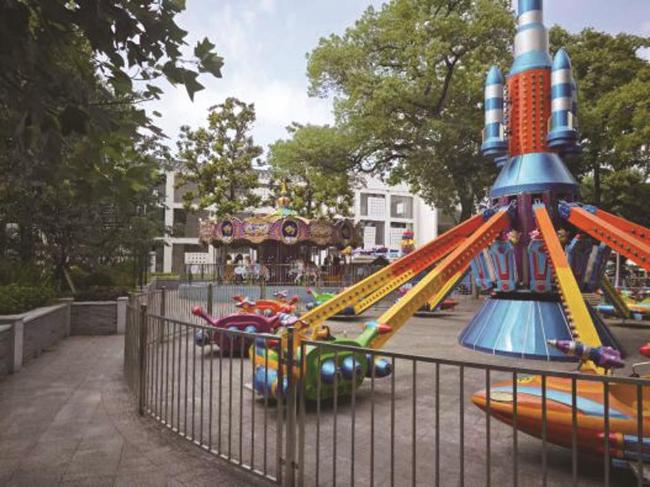
全龄友好理念是基于全年龄、多元特征居民的多层次需求,让市民感受到城市的关怀与温暖,共享全龄友好、和谐包容的社会氛围[7]。该理念是老旧公园更新改造的重要方向。首先,根据使用人群需求将公园划分为儿童游乐区、青少年活动区、中老年休闲区等(图2)。根据活动内容及自然条件,将公园北部结合自然山水设计为静态休闲区,南部结合花坛广场设计为动态活力区,北区绿树成荫,适合中老年人散步、休憩,南区视野开阔,适合开展晨练、广场舞、轮滑等活动,充分满足了各年龄段人群的活动需求。其次,打造全时段活力空间。南部结合广场改造取消高差台阶,形成一个敞开的多元广场空间,可根据人群、时节的变换,灵活开展各类活动,为市民提供丰富的休闲娱乐体验;在北部的葱郁山林间,结合民德亭设置林间茶室,以供游客休息。此外,基于不同人群的特点和需求进行设施配置,例如,增加适合老年人的健身器材,设置无障碍设施,增设座椅、遮阳设施等。通过以上设计,将公园打造为全龄化休闲空间,有助于提升城市品质,构建和谐的社会氛围。
2.4 植物配置
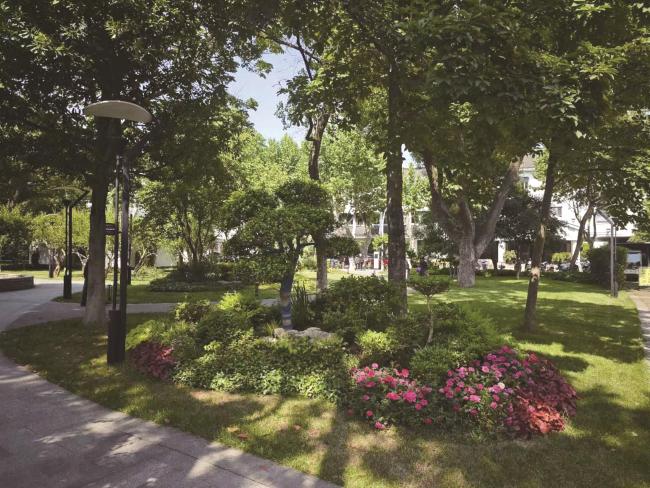
公园内乔木繁茂,中下层灌木长势不佳,因地制宜对不同区域的植被进行改造,营造多样的绿色生境和植物景观。在空间营造上,借鉴优秀的空间营造案例,优化植物的种植模式,丰富植物的空间类型,依据市民的使用需求,为其创造舒适宜人的植物空间[8]。丰富的植物景观有助于提升居民幸福感。对现有的乔木层进行修剪,提高林下空间的通透性,有助于改善中下层灌木的生长环境。在绿化布置上,运用开敞草坪与植物组团相结合的手法,创造出开合有致的植物空间;在绿地中增加园路,与草坪及植物组团相呼应,不仅丰富了景观层次,还为游客提供了多样化的游赏体验。在组团植物的选择与配置上,根据不同植物的生长特性、形态、色彩和季节变化进行合理搭配,选择较大的花灌木作为背景,球形灌木作为中层过渡,搭配低矮的草本植物,形成了丰富的层次感。结合植物的季相变化,使公园在四季均展现出各具特色的景观风貌(图3);注重阴生区域的植物配置,如在水杉林下配置适应阴生环境的植物品种,如蕨类、玉簪类、八仙花类等特色植物,其独特的形态和色彩丰富了植被的层次感和多样性。此外,引入音乐、灯光和水景喷泉等元素,营造舒适愉悦的环境氛围,进一步提升市民的观赏体验[9]。
2.5 文化传承
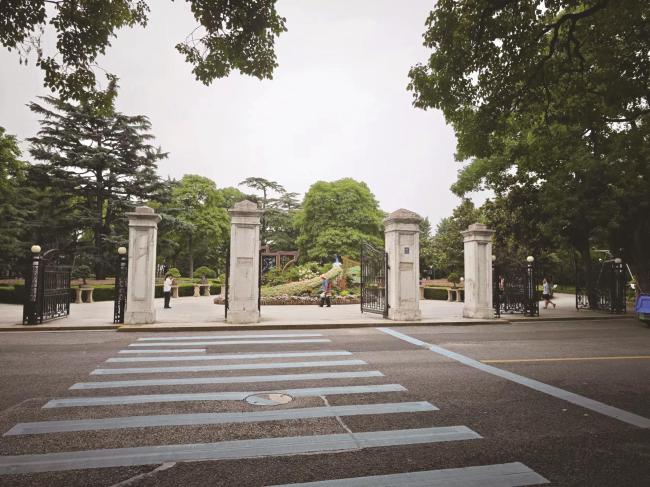
公园承载着城市的历史和文化记忆。公园建设应继承和发扬优秀的历史文化,并要在时代发展中融入新的社会文化,丰富文化内涵,保持持久活力[10]。在改造更新过程中,注重保留和展示宝贵的历史文化遗产,强调“留旧”与“更新”相结合,尊重场地历史风貌和文化底蕴,保留民德亭、法式花园、法式门柱(图4)等历史遗迹。在公园转角处参考历史照片重建旧有围墙,并镌刻该公园的历史沿革和文化特色,营造浓厚的历史文化氛围。对民德亭进行修缮维护,拆除与周边环境不相符的构筑物,更新为林间“海棠纹”碎石花街场地,山坡上栽植杜鹃、八仙花等植物,营造山野气息。改造后的民德亭周边景观与五卅路历史文化街区整体风貌和谐统一,其再现了历史景观的独特魅力,展现了中西造园风格交融的公园风貌,为市民和游客提供了一个兼具历史文化价值和休闲观赏功能的优质空间。将苏州的历史文化与现代城市生活相结合,通过举办传统节庆、文化讲座、艺术展览等活动,进一步丰富公园的文化内涵和活动形式,鼓励社区居民参与其中,增强居民的归属感和自豪感。这些举措不仅有助于传承城市记忆,也促进了社区文化的繁荣和发展。经过景观改造和提升,苏州公园将展现出更加开放、包容的文化特色。


3 结语
苏州公园的改造实践是“无界融合”理念的全面践行,通过开放边界、场景植入、全龄友好、植物配置等措施,实现了公园功能的全面提升,促进了城市空间的合理利用和资源共享。改造后的公园破除了围墙,实现了公园与城市的无缝连接,通过绿地、广场等空间增强了开放性和共享性,使得老旧公园更好地服务于市民。在公园改造实践中,注重景观提升的同时,强调公众参与和文化融合,让市民参与到公园建设的各个环节,确保公园设计能够更好地满足市民的实际需求。该模式不仅增强了公园的社会价值,也提升了市民对公园的认同感和归属感。未来,应进一步加强对老旧公园更新改造的研究实践,探索更加有效的策略和方法,推动城市公园建设的可持续发展。