

强对流天气是一类持续时间短、突发性强且破坏性大的灾害性天气,主要包括短时强降水(小时降水量达到20 mm及以上)、雷暴大风(瞬时最大风速≥17.2 m/s)及冰雹等对人类生产生活影响大的灾害性天气过程。而东北冷涡(NECV)是引发东北地区强对流天气发生的主要天气系统,其调控下的强对流天气过程在落区精准性、强度等级及发生时间等方面均存在较高的预报不确定性。因此,东北冷涡背景下的强对流天气预报一直是气象预报业务中重点和难点。
近年来,较多学者对强对流天气展开了研究。李云静等[1]研究发现,冷涡背景下低层暖湿平流、高层冷干平流有利于不稳定能量的累积,从而导致强对流天气的发生,CAPE可以反映午后发生强对流所必需的不稳定能量,对强对流天气预报具有一定的指示意义。陈秋萍等[2]通过分析冰雹、大风、强降水等灾害性天气的云团源地及与所在地区对应的亮温关系等特征,寻找关键区和指标进行强对流天气短时预报预警。费海燕等[3]在强雷暴大风环境参数研究中发现,强雷暴大风一般中低层有中等强度垂直风切变,且存在明显的干层。本文针对2021年9月8日傍晚至9月9日夜间辽宁铁岭地区发生的强对流天气开展研究与总结,以提升东北冷涡背景下强对流天气的认识,加强对该背景下强对流天气落区精准性与强度等级的预报能力,同时为强对流天气引发的农业气象灾害防控提供参考。
1 材料与方法
本文所用资料时间段均为2021年9月8—9日,基于常规观测资料、数值预报产品以及雷达观测资料等,对本次强对流过程的环境热力动力条件、雷达回波演变特征等开展系统分析,进而探究本次强对流天气过程的成因,并对预警信号发布等服务情况进行简单总结分析。
1.1 天气过程概况
受东北冷涡影响,2021年9月8日14:00—9月10日4:00,研究区出现冰雹、雷雨大风、短时强降水等强对流天气。该过程对研究区的影响可分为两个主要阶段:第一阶段为8日18:00—21:00,以雷雨大风天气为主,强对流活动形式相对单一;第二阶段为9日9:00—23:00,研究区出现大冰雹、雷雨大风、短时强降水并发的复合型强对流天气,该类天气对全市的生产生活造成了一定影响。
9月8—9日强对流过程期间,研究区多地出现冰雹天气,局地伴随大冰雹(直径≥2 cm),最大冰雹直径达2~3 cm;有1个气象站监测到11级(30.4 m/s)瞬时大风、1个气象站监测到10级(25.0 m/s)瞬时大风、13个气象站监测到9级(20.8 m/s)及以上瞬时大风、23个气象站监测到8级(17.2 m/s)及以上瞬时大风;全市普降中到大雨、局部出现暴雨,共22个气象站过程累计降水量≥50 mm。其中,最大累计降水量(70.1 mm)出现在研究区县下新坟村,最大小时降水量(35.3 mm)出现在研究区县横道河子镇,本次过程全市平均降水量为38.3 mm。
1.2 研究指标与方法
1.2.1 环流背景分析
本文通过常规观测资料及数值预报产品分析9月8—9日的环流形势,重点关注东北冷涡、冷槽、暖脊、低空切变线及高低空急流等关键环流系统的位置及强度,探究其对本次强对流天气过程的影响。
1.2.2 物理量诊断分析
由于研究区无探空站,故选择距离较近的内蒙古通辽市通辽站探空资料,结合EC(欧洲中心)数值预报物理量场相关产品及资料,对本次过程所需的水汽条件、抬升条件、不稳定条件及垂直风切变等物理量特征进行分析,判断此次强对流天气过程的形成原因。
1.2.3 雷达回波分析
基于沈阳多普勒天气雷达资料,通过PUP软件反演雷达拼图,分析强对流系统的发生及发展趋势,并结合地面观测实况,判断强对流系统是否对铁岭地区产生影响。
1.2.4 预警信号分析
在9月8—9日强对流天气过程期间,收集市、县级气象台站预警信号发布实况数据,重点对本次过程中预警信号的发布策略与方法进行总结与分析。
2 结果与分析
2.1 环流背景
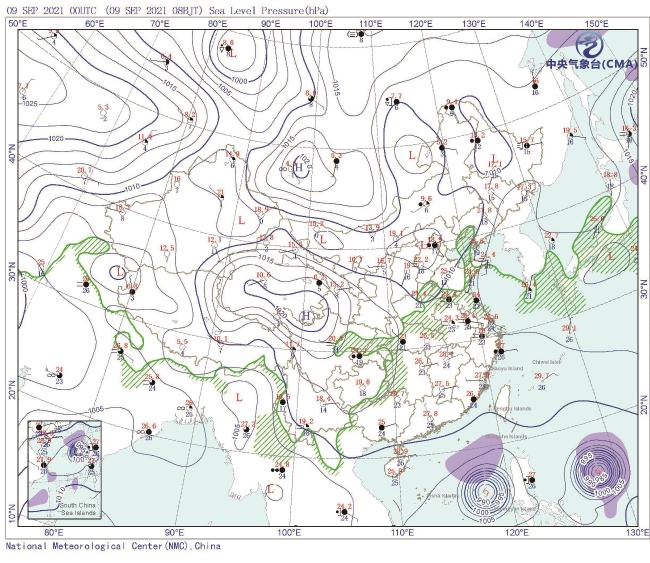
9月4日,500 hPa贝加尔湖西侧的高空冷槽持续向南加深,发展为切断低压;9月5日,该切断低压在贝加尔湖附近闭合形成冷涡。此后,受冷涡东侧持续存在的阻塞高压阻挡,冷涡东移南压进程缓慢,直至9月8日8:00才移至蒙古东部地区,此时冷涡中心延伸的高空冷槽已开始影响辽宁西部地区[4]。同时,850 hPa辽宁位于暖脊前部,中层冷平流与低层暖平流叠加,形成上冷下暖的垂直温度结构,为对流性不稳定层结的建立提供有利条件。9月8日20:00,辽宁仍维持高空槽前环流背景,且850 hPa在研究区、盘锦一带生成低空切变线。
9月9日8:00,200 hPa有风速≥40 m/s的高空急流横穿辽宁,急流的抽吸效应有利于上升气流的维持和增强;500 hPa辽宁仍位于冷槽前部;850 hPa研究区存在弱暖脊,整体大气层结仍处于不稳定状态。
2.2 物理量特征
2.2.1 水汽条件
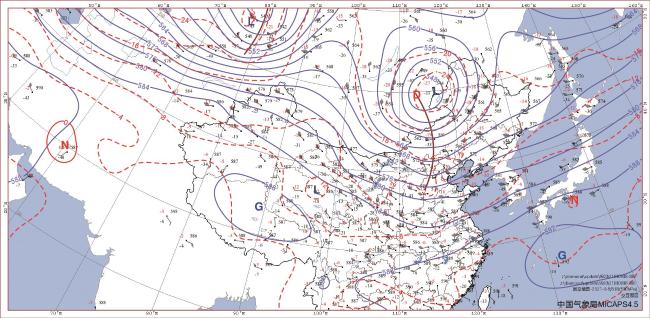
基于9月9日8:00该时刻850 hPa相对湿度与风场产品分析可知,研究区在该层受西南暖湿气流影响,此时区域内比湿≥8 g/kg,T-Td≤5 ℃,表明研究区处于低层显著湿区。结合500 hPa环流图可见(图2),研究区同时位于中层干区内部,中层干区与低层湿区,形成了上干下湿的不稳定层结,有利于强雷暴大风天气的发生。从整层水汽条件来看,本次过程整层可降水量(PW)仅为20~40 mm。综合评估可知,该水汽条件具备引发局部暴雨的潜力,但因PW数值过低,不利于极端区域性大暴雨天气的发生。


2.2.2 不稳定条件
假相当位温(θse)是表征气团属性与锋区活动的关键物理量,其高值区通常对应高温高湿区域。9月9日8:00,研究区中西部地区θse≥320 K,且850 hPa研究区存在暖脊,同时850 hPa与500 hPa垂直温差≥25 ℃,上述条件共同为对流不稳定能量的积累提供了有利环境。K指数作为反应大气稳定度与水汽条件的重要参数,其变化与降水及强对流天气的发生发展具有较好对应关系。9月9日14:00,研究区对流有效位能(CAPE)达2 331 J/kg,K指数为24 ℃,高值对流不稳定能量为强雷暴大风、冰雹及区域性短时强降水等强对流天气的发生提供了有利条件。9月9日20:00,CAPE降至177 J/kg,表明大气中累积的对流不稳定能量已基本释放,本次强对流过程趋于结束。
2.2.3 抬升条件
根据自动站实况产品可知,9日8:00,925 hPa研究区北侧有一辐合线。至9日14:00,研究区仍位于辐合线前部,LI指数为-8 ℃,利于大冰雹、强雷暴天气的发生与发展。
2.2.4 垂直风切变
9月9日8:00,研究区500 hPa及700 hPa高度层均处于高空急流出口的南侧,该环流配置利于上升运动增强,由通辽站探空数据分析可知,0 ℃层高度为3 582 m,-20 ℃层高度为6 471 m,适宜的0 ℃层高度与前期累积的高对流不稳定能量协同作用,为大冰雹形成提供有利条件;探空图低层呈喇叭口状,0~6 km垂直风切变值为16 m/s,近地面为东北风,风速6 m/s,至850 hPa转为西南风,风速24 m/s,低层风速切变与风向切变均较大,有利于出现强雷暴大风天气;且低层存在暖平流,进一步促进对流性不稳定层结的建立[6]。
2.3 雷达回波分析
9月8日13:00,内蒙古通辽至辽宁阜新一带生成多个对流单体,单体逐步发展并向东移动,至17:00合并形成由两个对流多单体构成的带状回波。18:00,该带状回波南侧部分开始移入研究区,引发雷暴大风天气,18:30,回波形态进一步演变为弓形回波,影响范围扩展至研究区、西丰、开原一带。21:00,研究区受此次弓形回波影响的强对流天气过程基本结束[7]。
9月9日9:00,由内蒙古地区东移发展的天气系统开始进入研究区;同期,另一线状回波逐渐移入朝阳建平县。9:54,雷达回波分析可知,进入研究区的回波强度已≥60 dBz;通过SWAN估测,该带状回波的垂直累积液态水含量达65 kg/m2,由此引发研究区昌图县出现冰雹、雷暴、大风、短时强降水等复合型强对流天气。10:00,沈阳康平县及锦州北镇市一带新生成多个对流单体,单体持续发展并合并为带状回波,继续向东北方向移动。12:12,两带状回波合并成一条长带状回波并不断东移影响研究区[8]。
基于12:00天衍平台分析资料,本次过程中冰雹最大直径为17 mm,最大反射率因子为60 dBz,回波伸展高度达12 km,垂直液态水含量为80 kg/m2,对应0 ℃层高度为3 437 m,以上条件均有利于大冰雹的形成。
此后,内蒙古及锦州、阜新一带持续生成新的对流单体,单体快速发展并东移,持续影响研究区,导致多地出现冰雹、雷雨大风天气。19:48,最后一条影响研究区的带状回波向东移出境,本次影响研究区的强对流天气过程正式结束。
2.4 预警信号发布情况
针对9月8—9日强对流天气过程,研究区气象台分时段开展预警信号发布工作。9月8日发布雷电黄色预警信号1期,雷雨大风黄色预警信号1期,冰雹橙色预警信号2期;9月9日发布雷电黄色预警信号2期,雷雨大风蓝色预警信号1期、雷雨大风黄色预警信号2期、雷雨大风橙色预警信号2期,冰雹橙色预警信号6期,暴雨黄色预警信号1期、暴雨橙色预警信号3期。
本次预警信号发布遵循了高级别预警信号精细化发布原则,其中局地冰雹、暴雨类预警信号精细化至乡镇,精准预警,便于各乡镇能够根据情况开展预防和防范。同时,为扩大预警信息覆盖范围,各级气象部门通过农村应急广播、手机短信等多种平台同时发布,有效提升预警信息传播效能,确保公众能够及时获取相关信息,提前做好防范[9]。
3 结论与讨论
针对强对流天气引发的冰雹、雷雨大风等天气,气象部门需提前预报、做好服务、加强监测,适时组织开展人工防雹作业;农业部门应指导农户提前落实防御措施,重点做好农业大棚的防风加固工作,减少气象灾害对农业生产的不利影响[10]。综上,利用数值预报产品等资料,分析研究区一次强对流天气成因,得出以下结论。
(1)本次强对流天气过程发生于东北冷涡背景下,受冷涡闭合环流圈数较多、处于两高压脊之间的环流配置影响,冷涡移动缓慢,导致本次过程冷涡强度大、影响范围广、持续时间长,造成降雹地点多、冰雹直径大,多地出现短时强降水,且多个站点监测到8级以上大风。
(2)高空急流、中低层切变线与上干冷下暖湿的不稳定大气层结为本次强对流天气发生提供了有利条件,而地面辐合线则是强对流不稳定能量释放的关键触发系统。
(3)较高的对流有效位能、中等强度垂直风切变及适宜的0 ℃层高度等均利于大冰雹的发生。
(4)冷涡天气局地性较强,其强度及落区较难判定,但本次过程中,大冰雹落区与SWAN估测的垂直累积液态水含量大值区有较好的对应关系,对于冰雹和大冰雹的发生有一定预警意义,可为基层预报员提高预警信号发布准确率,对于短临预报预警服务效果较好。
(5)东北冷涡的预报预警一直是基层气象人员的难题之一,常存在强度判定难、临近乡镇影响范围界定难、影响时长预估难等问题。因此,基层业务人员需重点把控预警信号发布的提前量与准确性,充分发挥气象防灾减灾第一道防线作用。本次过程实践表明,可通过提前发布低级别大范围预警信号提醒全县提高警惕、加强防范,临近时段发布高级别预警信号,开展精细化预警信号发布工作。