

烟粉虱(Bemisia tabaci)属半翅目(Hemiptera)粉虱科(Aleyrodidae),是主要的农业害虫之一,在蔬菜瓜果类农业作物上发生较广泛[1]。烟粉虱作为多食性昆虫,寄主范围广泛,其成、若虫通过刺吸寄主植物汁液传播病毒,同时分泌的蜜露会诱发病毒病、煤污病及病原菌寄生,还会阻碍植物进行光合作用,扰乱正常生理代谢,导致寄主营养匮乏。该虫害可能会造成果蔬等经济作物的叶片黄化、扭曲变形及果实畸形,显著降低农副产品的产量与品质[2]。
目前,对烟粉虱的防治主要依赖化学农药,如唐锷等[3]研究表明,10%溴氰虫酰胺1 000倍稀释液+22.4%螺虫乙酯1 500倍稀释液对烟粉虱成虫的防效较佳。然而农药的长期施用不仅会引发抗药性问题,还会对环境造成污染。郭梦然等[4]研究表明,噻虫嗪、阿维菌素和氟啶虫胺腈对烟粉虱均具有一定的防治效果,但同时也会对寄主生物产生一定的毒害作用。因此,积极探索和发展可持续、环境友好的综合治理策略已成为当前研究的重点。安徽临泉县地处亚热带与暖温带的过渡带,气候适宜、作物种类多样,是烟粉虱发生的有利环境。本文结合该地区烟粉虱的发生流行现状,分析其大面积发生的原因,并提出相应的防治对策,为科学开展综合防治提供参考。
1 研究区烟粉虱发生现状
自2019年起,烟粉虱在研究区的发生情况逐渐加重,研究区农业病虫测报部门调查发现,2019年3月在温室大棚,春夏季在粮食作物及露天蔬菜、西瓜、大豆等经济作物上均监测到烟粉虱大量发生。秋收季节,研究区农作物陆续成熟收割,烟粉虱从农田迁飞至城镇,城市园林绿化植物为烟粉虱提供食料和栖息繁殖的场所,导致城区虫量呈暴发式增长。
1.1 烟粉虱生长发育周期
烟粉虱生命周期分为卵期、若虫期和成虫期3个阶段,若虫期又分为1~4龄,其中4龄若虫被称为伪蛹。经调查数据分析统计,研究区烟粉虱每年发生10~13代,世代重叠现象明显。26 ℃是烟粉虱种群发育和繁殖的最佳温度,温度低于14.3 ℃,该害虫无法产卵,温度上升到35 ℃,其无法完成4龄若虫(伪蛹)发育[5]。研究区烟粉虱在温室、大棚等保护地、城镇绿化带和向阳花卉上越冬,春夏迁移至大豆、豆角、小白菜、西瓜、辣椒、茄子、西红柿和西葫芦等经济作物上,当温度稳定在20 ℃以上时,其数量迅速增加,在每年7—9月暴发成灾。
1.2 烟粉虱生活习性
烟粉虱成虫多在作物头部鲜嫩叶片上产卵,每头雌虫可产卵26~242粒,在温度、湿度适宜,食物丰富的情况下,每头雌虫平均产卵200粒[6]。卵长椭圆形,以柄吸附在叶背面,初产呈淡黄色,随日龄逐渐加深,至孵化前变为黑褐色。成虫趋嫩性特征明显,随着作物生长,成虫向头部嫩叶转移,若虫孵化后多处于头部偏下叶片。烟粉虱若虫和成虫集中在作物叶背,常用口器刺入植物的韧皮部,吸取植物的汁液。
1.3 烟粉虱发生时期
近年来,研究区对烟粉虱发育起点温度和各温度下从卵到1龄若虫的孵化时间进行观测,15 ℃左右,卵的孵化期约19 d,从卵发育到成虫需49 d;26~30 ℃时孵化发育速率达到峰值,7.1 d可完成孵化,从卵发育到成虫需14 d,完成1个世代需21 d。陈夜江等[7]研究显示,烟粉虱对湿度的适应性表现为80%>60%>100%>40%。
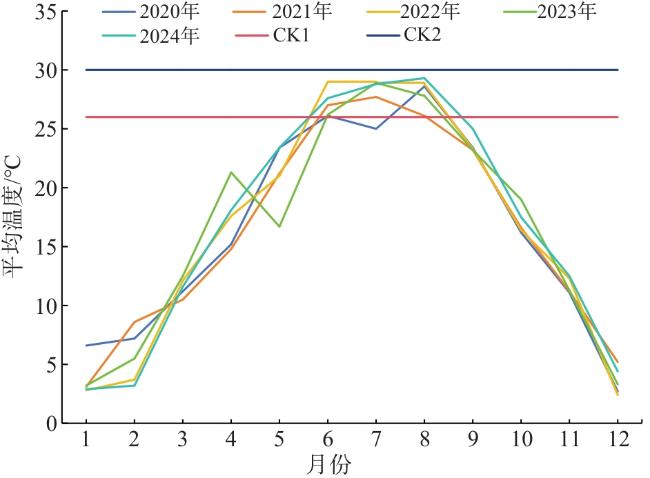
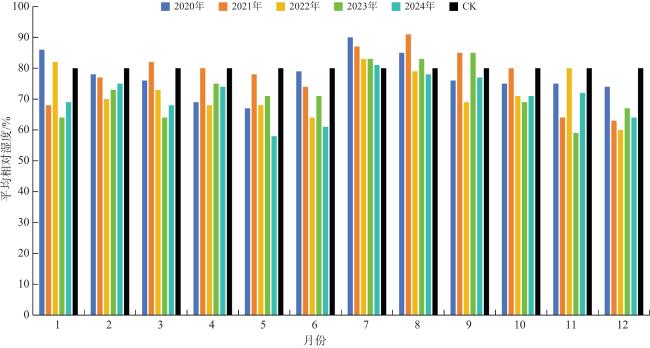


2 烟粉虱在研究区发生流行的原因
2.1 气候条件适宜
研究区地处亚热带与暖温带的过渡带,属暖温带半湿润季风性气候,气候温和,雨量适中,日照充足,最高气温41.4 ℃,最低气温-20.4 ℃,年平均气温14.9 ℃,全年无霜期218 d,年日照时数4 553 h,年均降水量812 mm。结合研究区烟粉虱发生条件,该地区气候条件较适宜其孵化和正常生长发育。
2.2 绿化苗木花卉和蔬菜的种植
近年来,研究区绿化面积不断增加,大棚早春西瓜常年种植面积2 000 hm2,大棚生姜1 000 hm2,大棚蔬菜1 333 hm2。跨区域的绿植花卉蔬菜贸易为烟粉虱的跨区域传播提供了途径,大棚等农业设施为其安全越冬提供了庇护,大面积的城市绿化树木及花草为烟粉虱向城市扩散、聚集、繁衍生息提供了生存空间。
2.3 烟粉虱的适应性和繁殖力
2.3.1 适应性
烟粉虱对植物的适应性主要体现在两个方面。一是该害虫通过水平转移基因,从植物中摄取能降解植物防御物质(有毒酚类物质)的酶(酚糖丙二酰转移酶基因),从而破坏植物的防御系统。二是其能自主合成对生殖有益的物质,如多不饱和脂肪酸(PUFA)和前列腺素E2(PGE2),并减少了对寄主植物营养的依赖[8]。
2.3.2 繁殖力
林克剑等[6]研究指出,烟粉虱具有较强的繁殖能力,在温度、湿度适宜,食物丰富的情况下,每头雌虫平均产卵200粒。研究区实际调查发现,日最高温度为14.3 ℃时,每只雌虫平均产卵量为61粒;日最高温度23 ℃时,每只雌虫平均产卵量为204粒;日最高温度28~30 ℃时,每只雌虫平均产卵量为252粒,且在28~30 ℃时,从卵发育到成虫需14 d,完成一个世代需21 d。强大的繁殖能力为其大面积发生奠定了基础。
2.3.3 迁飞能力
烟粉虱的强迁飞能力是其大面积发生的重要因素之一。在高温干热天气,其种群发育进程快,成虫密度高度集中,在寻找寄主植物迁飞过程中,能在空中长时间盘旋与滞留。在田间防治过程中,其成虫一旦受到惊吓,迅速飞离,不易被药物沾染;同时,本地种群即使被清除,外围虫源仍会通过迁飞不断补充,在新的区域迅速定殖、繁殖,导致灾害在区域尺度上持续蔓延。
3 烟粉虱的综合防治
根据研究区的实际防治工作发现,在烟粉虱发生后期,该害虫的世代重叠现象严重,防治喷药时,成虫迁飞躲避,卵和若虫通常隐藏在植物的叶片背面或茎部,药物难以完全杀死,导致种群数量迅速恢复。因此,该虫害的防治最佳时期在4月中下旬至5月上中旬,可通过农业防治、物理防治、生物防治和化学防治相结合的方式进行综合防治。
3.1 农业防治
生产中,做好环境清理,及时清除田间及周围区域的作物及蔬菜残株、杂草。对产生的秸秆,禁止乱堆乱放,应通过青贮、黄贮、作为燃料或深埋堆沤制成有机肥等方式进行规范化处理,从而消除烟粉虱越冬和滋生扩散的风险。
3.2 物理防治
3.2.1 诱虫板诱杀
烟粉虱成虫具有强烈的趋黄性。在研究区烟粉虱暴发期进行诱捕试验,诱虫板用量为450~600块/hm2,高度以位于植株上方5~15 cm为宜,5~7 d黄板粘满虫口失去黏性时及时更换。试验发现,诱虫板颜色(波长)的诱杀效果依次是深黄色(570~590 nm)>黄色(550~570 nm)>橙色(590~610 nm)>紫色(380~400 nm)>蓝色(450~470 nm)>绿色(500~520 nm)>红色(630~650 nm)。烟粉虱成虫对深黄色(570~590 nm)板最为敏感,6 d诱集到成虫总虫数为1 547头;对红色(630~650 nm)板最不敏感,6 d仅诱集到58头。
3.2.2 LED塑料杯诱杀
利用LED塑料杯结合了物理和光学原理,能够有效诱杀烟粉虱成虫。王慧等[9]研究发现,LED塑料杯与黏杀剂结合使用,对烟粉虱的诱捕作用最高可达44.4%。实际生产中,将诱虫板白天诱捕与LED塑料杯夜间诱杀相结合,可有效提高对烟粉虱的防治效率。
3.2.3 防虫网隔断及棚内阻杀
在蔬菜种植大棚两侧通风处和大棚出入口安装40~60目的防虫网,防止成虫迁入。抢抓换茬时机,采取灌水、高温闷棚、烟雾熏杀等措施,可有效杀死棚内烟粉虱。
3.3 生物防治
3.3.1 投放天敌生物
烟粉虱有多种以丽蚜小蜂为代表的寄生性天敌,以及瓢虫、草蛉等捕食性天敌[10]。丽蚜小蜂对烟粉虱各个阶段均有较高的寄生率。东亚小花蝽、大草蛉等对烟粉虱的卵、若虫有明显的捕食功能反应;这些天敌生物通过捕食烟粉虱不同阶段的虫体,有效地控制其种群数量,减轻了该虫害对农作物的为害。
3.3.2 使用生物农药
生物农药不含有化学残留,具有环境友好,易于降解,对人类和动物的安全性较高等优点,且不会对非目标生物造成危害,有利于维护生态平衡。烟粉虱防治效果较好的生物农药有苦参碱、白僵菌、金龟子绿僵菌、多杀霉素、蛇床素、蜡蚧轮枝菌和座壳孢菌等[11]。
3.4 化学防治
常用防治烟粉虱的化学药剂包括溴氰虫酰胺、矿物油、烯啶虫胺、甲氨基阿维菌素苯甲酸盐、双丙环虫酯、螺虫乙酯+噻虫胺+噻虫啉、氟吡呋喃酮、吡蚜酮、氟啶虫胺腈等[12]。长期施用单一化学药剂防治烟粉虱易导致抗药性的产生,生产中,建议合理混配、交替用药以延缓抗药性的产生。由于烟粉虱的若虫及成虫体表有蜡质,喷药时添加有机硅、植物油等助剂,有利于提高杀虫效果。施药时严格按照药剂标签说明施用、严格执行药剂使用安全间隔期,确保农产品安全。
综上,研究区气候条件适配、蔬菜种植环境适宜,以及烟粉虱自身的强适应性与高繁殖力,为该害虫的大面积发生创造了有利环境。生产中以农业防治(环境清理)为基础,结合物理防治(诱虫板+灯光诱杀),配合生物与化学药剂,形成完整的防治体系,可有效提高防治效果,减少环境污染,实现绿色防控,保障农业可持续发展。